
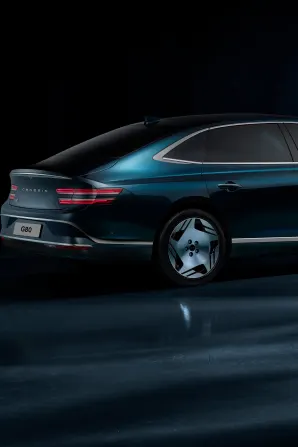
A polished result starts long before anyone lifts a lens. Even the most skilled car photography depends on a vehicle that has been washed, detailed and readied down to the smallest trim piece. Preparation is the quiet foundation that separates an average image from one that stops people scrolling. The good news is that most of this work happens in your own driveway, and none of it requires special training.
Start With a Deep, Streak-Free Wash
The exterior is the first thing the camera reads, and dirt shows up more clearly in a photo than it does in person. Give the car a thorough wash rather than a quick rinse. Work from the top down, use a clean wash mitt, and rinse often so grit doesn’t drag across the paint.
Drying matters as much as washing. Water spots and streaks catch the light and become obvious under a lens, especially on dark paint. Use a clean microfibre towel or a drying blade, and finish by hand where water tends to pool around mirrors, door handles and badges.
If your paint feels rough after washing, a clay treatment lifts bonded contaminants and leaves the surface smooth. A coat of wax or a quick spray sealant adds depth and reflection that reads beautifully on camera.
Detail the Details That Catch the Eye
Small elements make a big difference once you look closely. These are the areas that reward a few extra minutes:
- Wheels and tyres: clean brake dust from the barrels and faces, then apply a tyre dressing for a rich, even finish. Avoid over-applying, which leaves a greasy sheen.
- Glass: clean the inside and outside of every window and the windscreen. Smudges and haze are hard to fix later.
- Chrome and trim: polish brightwork and wipe down plastic trim so it looks fresh rather than faded.
- Engine bay: if the bonnet might be opened, a light clean and dressing lifts the whole presentation.
Ready the Interior, Even for Exterior Shots
Windows reveal the cabin, so a cluttered interior shows through the glass. Clear out receipts, chargers, drink bottles and floor mat debris. Wipe down the dash, console and door cards, and give the seats a quick vacuum.
Set the small touches too. Straighten the seatbelts, centre the steering wheel and tuck away anything hanging from mirrors or vents. A tidy cabin keeps the focus on the car rather than the everyday mess of daily driving.
Fix the Distractions Before They Show Up
Some things pull the eye for the wrong reasons. Remove old dealer stickers, sunshade suction marks and any adhesive residue from the glass and paint. Consider whether you want number plates visible; many owners prefer them covered or removed for a cleaner look, so decide ahead of time.
Address minor blemishes where you can. A touch-up on a small chip, a swirl-reducing polish, or simply positioning the car so a scuff faces away all help. You don’t need a flawless car, but reducing obvious distractions lets the shape and finish do the talking.
Mind the Timing and Condition
Perth weather can undo good preparation quickly. A dust storm, sudden shower or a dusty gravel driveway can spoil a fresh wash within hours. Where possible, clean the car close to shoot day and store it undercover until you leave.
Practical details matter too. Keep the fuel or charge at a reasonable level so you’re not stopping mid-plan, and check tyre pressures so the car sits and rolls properly. Drive gently on the way to keep the paint and wheels clean, and avoid parking under trees where sap and bird mess love to land.
Pack a Small Preparation Kit
Even with the best home prep, a few essentials on hand let you fix last-minute issues. A compact kit is worth bringing:
- Several clean microfibre cloths for dust, fingerprints and smudges
- A spray detailer or quick-detailer for touch-ups between shots
- Tyre dressing and an applicator to refresh the wheels
- Glass cleaner for windows that fog or mark
- Any matching touch-up paint or a plate cover you plan to use
These small items mean a stray fingerprint or a bit of road dust never becomes a problem you can’t solve on the spot.
Once the vehicle is genuinely ready, your attention moves away from the car and toward the day itself. With the hard preparation done, it’s worth understanding how a session actually runs and what happens on the day, so you arrive knowing exactly what to expect and can simply enjoy the process.