
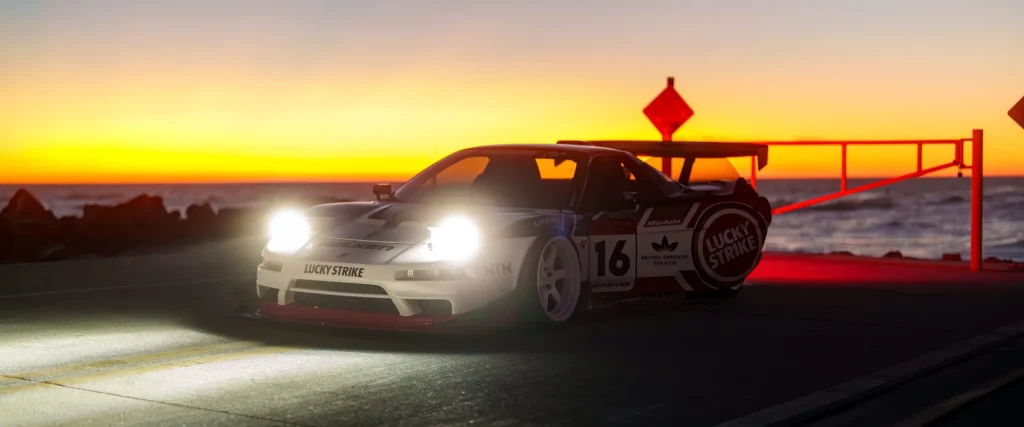
Should every car on the forecourt be photographed the same way? The short answer is no. A pristine new model and a three-year-old trade-in call the buyer in different language, and experienced dealership car photography specialists adjust their approach accordingly. Knowing how to photograph used cars well is a genuinely different discipline from showcasing a flawless new arrival, because the two categories exist to answer different questions in a buyer’s mind.
Get the distinction right and the images do more than look good. They attract the right kind of attention for each vehicle. Get it wrong, and a used car can look suspiciously staged while a new one looks underwhelming.
Why New and Used Stock Trigger Different Buyer Psychology
A buyer looking at a new vehicle is usually imagining ownership. They want to picture themselves in a clean, modern machine with nothing to question. The photography feeds that aspiration with polish, symmetry and a sense of occasion.
A buyer considering a used car is asking a different set of questions. What condition is it really in? What does the interior look like after use? Is anything being hidden? Here, the job of the image is to reassure and inform. The camera becomes a tool for honest evidence, not just presentation. That difference shapes every decision from angle to lighting to how much you edit.
Photographing New Stock for Aspiration
New vehicles reward a clean, confident treatment. The paint is perfect, the panels are flawless, and the goal is to let that shine.
- Lead with hero angles – the three-quarter front view that emphasises stance and line.
- Use even, controlled lighting that flatters the bodywork and keeps reflections smooth rather than distracting.
- Keep backgrounds simple and uncluttered so nothing competes with the car itself.
- Highlight the details that sell the new-car feeling: badges, trim, wheels, and the cabin fresh and untouched.
With new stock, a little gloss is appropriate because the subject genuinely is in that condition. The images carry a showroom quality that matches the experience the buyer expects.
How to Photograph Used Cars to Build Confidence
Used stock flips the priority from aspiration to trust. The buyer wants to see the car honestly, and good photography gives them that without making the vehicle look worse than it is.
Natural light tends to work well here. Soft, even daylight shows true colour and real texture without the artificial gloss that can make a used car look staged. Shoot around the vehicle to give a full walk-around view – front, rear, both sides and the three-quarter angles – so nothing is left to the imagination.
The framing can be slightly more documentary in feel. You are not hiding age; you are presenting condition clearly. A well-kept used car photographed honestly looks more credible than one dressed up to imitate a new model.
Documenting Condition Without Misleading the Viewer
Honest detail shots are where used-car photography earns its keep. These images answer the questions a careful buyer would ask in person.
- Interior shots showing seat wear, dashboard condition and the general state of the cabin.
- Close-ups of common wear points – steering wheel, gear selector, door cards and sills.
- Tyre condition and tread, which tells a buyer plenty about how the car has been treated.
- Any service-relevant detail that supports the listing fairly.
A service history and a pre-purchase inspection by a qualified mechanic can both help a buyer feel confident, and clear photography complements that paperwork rather than replacing it. The aim is never to flatter away genuine wear, but to show the car as it truly is so the buyer arrives already informed.
Backgrounds, Lighting and Framing for Each Category
New stock suits a controlled, consistent environment where lighting can be shaped and reflections managed. The clean backdrop reinforces the premium feel.
Used stock often benefits from a more natural setting and softer, ambient light that reads as honest rather than manufactured. The framing stays simple and the angles stay practical – enough to give a complete, unexaggerated view. This is also where keeping a recognisable look across your listings matters, which ties back to maintaining a consistent standard across an entire inventory, even when individual vehicles call for different treatment.
Editing Restraint Versus Polish
Editing is where the two categories diverge most sharply. New stock can take a confident polish because the result still matches reality – the paint really is that clean.
Used stock demands restraint. Heavy filters, aggressive retouching or colour that doesn’t match the real car can mislead a buyer and damage trust the moment they see the vehicle in person. The better approach is light, truthful correction: accurate colour, balanced exposure and clarity that shows the car as it is. An honest image that matches reality converts far better than a flattering one that sets up disappointment.
Getting the new-versus-used approach right is not only about accurate presentation. It directly shapes who clicks and who enquires, because the honesty and quality of the imagery filters the audience before anyone picks up the phone. That connection between how stock is photographed and the type of buyer interest it attracts is worth understanding closely, since image quality ultimately influences the quality of leads a dealership receives.