
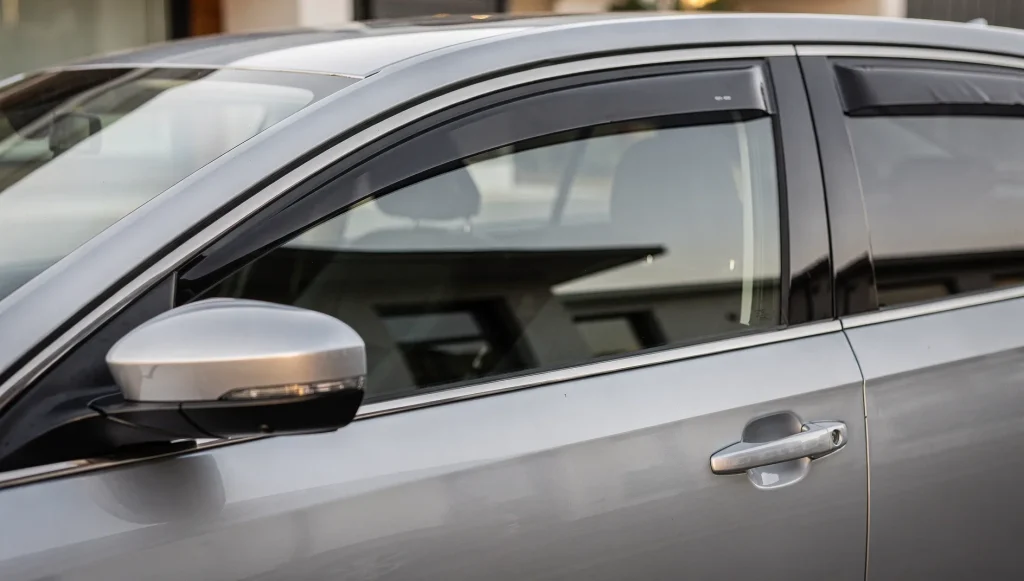
Slow, inconsistent listing photos quietly cost sales. One car gets twelve sharp angles, the next gets four blurry phone snaps taken in a hurry, and the gallery that greets buyers looks disjointed. A proper dealership car photography workflow setup fixes that by treating image capture as a repeatable operational process rather than a scramble. This article maps out the full pipeline a Perth dealership can build so inventory flows from forecourt intake to a live listing with the same look every time. If you want the broader service picture, our overview of dealership car photography sits alongside everything covered here.
The goal is simple: fewer bottlenecks, faster turnaround, and galleries that look like they belong to the same showroom. That starts with understanding the stages each vehicle passes through.
Prefer to watch or listen?
Listen onApple Podcasts
Mapping the Pipeline From Intake to Live Listing
Every car should travel the same path from the moment it lands on the forecourt. When the stages are defined, nobody has to guess what happens next, and vehicles stop stalling in limbo waiting for someone to notice them.
A typical pipeline runs through a handful of clear stages:
- Intake: the vehicle arrives, gets cleaned and prepped, and is logged as ready to shoot.
- Capture: a photographer works through the agreed shot list in the shooting space.
- Review: someone checks the images against the standard before anything moves on.
- Processing: images are batch-edited for consistent exposure, crop and framing.
- Upload: the finished gallery goes live on the website and listing portals.
Write these stages down and make them visible. When the whole team can see where each car sits, the pipeline manages itself far more than it relies on memory.
Defining a Repeatable Shot List and Angle Standard
Consistency comes from a fixed shot list. If every vehicle gets the same angles in the same order, galleries line up across your entire inventory and buyers can compare cars easily.
A complete listing gallery usually covers the exterior from all four corners, straight-on front and rear, both sides, wheels, and the key interior views: dashboard, front seats, rear seats and boot. Detail shots of the odometer, infotainment screen and any wear or damage round it out.
Lock the sequence so the photographer moves around the car the same way every time. A printed or digital checklist removes guesswork and means a different person can step in without the coverage changing.
Gear Decisions That Keep Capture Fast
Speed and image quality don’t have to compete. The right gear choices let a photographer capture a full gallery quickly without the images looking rushed.
A dedicated camera with a consistent lens gives you repeatable framing and reliable quality across hundreds of vehicles. Many dealerships also keep a modern mobile phone on hand for quick supplementary shots or when a camera isn’t free. The key is deciding in advance which tool handles which job, so capture never stalls while someone hunts for equipment.
Whatever you choose, keep the settings fixed. Locked exposure, white balance and framing stop the small variations that make a gallery look stitched together from different days.
Assigning Roles Across the Team
A pipeline falls apart when everyone assumes someone else is handling a stage. Assign clear responsibility for each step and the vehicle keeps moving.
- The shooter captures every vehicle to the shot list and angle standard.
- The reviewer checks galleries for missing angles, soft focus or inconsistent framing before processing.
- The uploader runs batch edits and publishes the finished set to the website.
On a small team one person may wear several hats, and that’s fine. What matters is that each stage has an owner and a standard to hold the work against, so quality doesn’t drift when the forecourt gets busy.
Review, Batch Processing and Upload
Reviewing in batches rather than one car at a time keeps the team focused and catches problems early. A quick check against the shot list confirms the gallery is complete before anyone spends time editing.
Batch processing is where consistency is won. Applying the same crop, exposure and framing adjustments across a group of vehicles means every listing shares the same clean look. Upload the finished gallery straight to the website in the agreed order so buyers always see the exterior first and work inward the same way on every car.
The faster this back end runs, the sooner fresh inventory appears online, and in a competitive Perth market that speed matters.
Measuring and Refining the Workflow
Once the pipeline runs, track a few simple numbers. Throughput per vehicle tells you how many minutes each car takes from capture to live listing. Watch where cars pile up, because that’s your bottleneck.
Quality control closes the loop. If the same framing error keeps slipping through, tighten the standard or add a reminder to the shot list. Small, regular adjustments keep the whole process sharp over time rather than letting standards quietly slide.
With your stages mapped, roles assigned and standards locked, the process itself stops being the variable. What remains is the single biggest influence on whether your galleries actually look uniform: what sits behind the car in every frame. Choosing and controlling that shooting environment is the next decision that determines visual consistency across your entire inventory.