
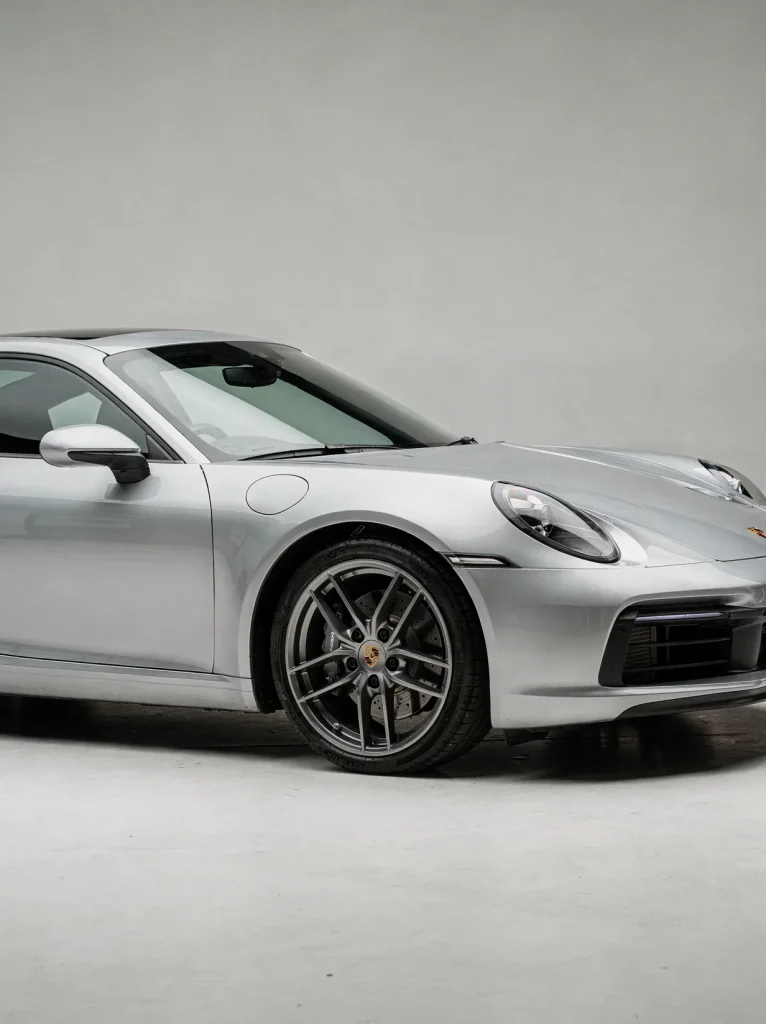
Perth is one of the sunniest capital cities in the world, with clear skies for much of the year and a light quality that punishes anyone who ignores it. That intensity makes the city a demanding but genuinely rewarding place to shoot vehicles. Strong car photography here begins long before the camera comes out of the bag: it starts with reading the environment and understanding how local conditions will land on a car’s paint, glass and chrome.
Prefer to watch or listen?
Listen onApple Podcasts
Why Perth’s Climate Differs From Other Australian Cities
Perth sits under an unusually high UV load. Low cloud cover across most of the year means light arrives direct and undiffused, without the soft overcast that cities on the east coast often get. Combine that with dry heat and long stretches of open sky, and you have conditions that are far more contrasty than most photographers expect.
The practical effect is that a car’s surface picks up light aggressively. Highlights build fast, shadows fall hard, and the margin for error narrows. In a cooler, cloudier climate you can often shoot through the middle of the day without much thought. In Perth, that same approach usually produces flat, glaring results.
How Coastal and Inland Light Behave Differently
The metropolitan area is not a single lighting environment. Near the coast, from Fremantle up through the northern beaches, light carries a bright, reflective quality. The ocean and open sand bounce extra fill into a scene, which can lift shadows but also add a subtle haze that softens contrast.
Move inland, toward the foothills and out past the suburbs, and the light flattens and dries out. There is less reflected fill, more airborne dust, and a slightly warmer cast as you get away from the water. Neither is better or worse, but they shape a car’s mood in very different ways, and knowing which you’re standing in helps you predict the result.
What Perth’s Elements Do to the Car Itself
The environment doesn’t just affect the light; it affects the subject. Several local factors show up directly in the frame:
- Paint reflection: glossy panels act like mirrors under direct sun, throwing back hot spots and reflecting the sky, surroundings and even the photographer.
- Heat shimmer: on very hot days, rising heat off bitumen and bonnets can distort detail, especially with longer focal lengths.
- Red dust: fine iron-rich dust drifts in from the interior and settles on horizontal surfaces, dulling gloss and catching in panel gaps.
- Salt haze: near the coast, salt in the air leaves a faint film on paint and glass that softens reflections and can flatten a car’s finish.
None of these are dealbreakers. They are simply variables to anticipate rather than discover after the fact.
Hard Shadows, Blown Highlights and Why Planning Beats Gear
When the sun sits high and strong, it creates deep, hard-edged shadows and highlights that can blow out to pure white on a car’s brightest curves. This is where many people reach for better equipment, assuming the camera is the problem.
It rarely is. The dynamic range of a scene under harsh Perth sun can exceed what any sensor comfortably holds, so no lens or body fully rescues a badly lit setup. The far more powerful lever is planning, deciding where the car sits relative to the light and choosing conditions that work with the vehicle rather than against it. Understanding the environment consistently matters more than the kit you carry.
Seasonal Variation Across the Year
Perth’s seasons swing the difficulty level considerably. Summers are long and brutal, with high sun, extended daylight and light that stays punishing for hours. The upside is reliability; the downside is that the harshest part of the day dominates.
Winter softens everything. The sun sits lower, light travels through more atmosphere, and passing weather introduces cloud that acts as a natural diffuser. Colours read cleaner, reflections calm down, and the workable window through the day widens. Many photographers find winter far more forgiving for capturing detail and paint depth.
Reading the Local Sky So Conditions Work For You
The final skill is learning to read Perth’s sky. A thin high haze can be an asset, softening contrast without killing the light. A hard, cloudless blue means committing fully to managing shadow and reflection. Coastal cloud that burns off by mid-morning behaves differently again.
Once you start treating weather as information rather than an obstacle, you make better decisions before you arrive. You anticipate reflections, plan for dust, and know whether the coast or the interior will give you the look you’re after.
All of this leads to one conclusion. When Perth’s light is this relentless and this directional, the single most controllable variable you have is the moment you choose to press the shutter. The harsh overhead glare becomes the core problem to solve, which is exactly why timing your session around the strength of Perth’s sun is where a serious approach to shooting here truly begins.