
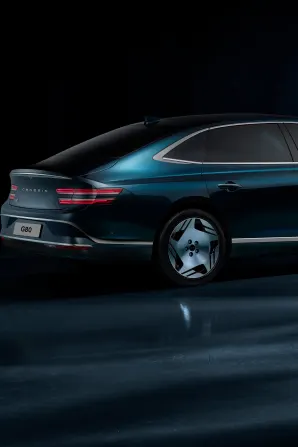
Ask any experienced shooter what separates a smooth summer shoot from a frustrating one, and the answer is rarely about the camera. In Perth, the deciding factor is usually the weather and how well you planned around it. If you would rather hand the logistics over, our car photography service plans around all of it, but this article stays firmly on those logistics: heat, wind, dust and glare treated as problems to schedule and prepare for.
Summer here punishes complacency. Paintwork bakes, gear overheats, and a mid-afternoon sea breeze can throw dust across a location just as you get set up. The good news is that almost all of it is predictable if you read the forecast properly.
Reading the Perth Summer Forecast
A quick glance at the daily high isn’t enough. For a summer car shoot you want to track several things together, because they interact.
- Temperature and its timing. Knowing the peak is useful, but knowing when it hits matters more. Many summer days climb hard through late morning before the breeze arrives.
- UV index. A high UV reading tells you how aggressive glare and reflection off paintwork will be, and how quickly the crew will tire in the sun.
- Wind direction and speed. This determines dust, and whether an exposed location is workable at all.
- Sea breeze timing. The afternoon southwesterly shift is the single most useful thing to predict, because it reshapes the entire back half of the day.
Check the forecast the night before and again on the morning of the shoot. Perth summer conditions can move earlier or later than predicted by an hour or two, and that window is often exactly when you’re on location.
Protecting the Car and Gear from Heat, Dust and Salt
Heat is the obvious threat, but it’s rarely the one that ends a shoot early. Dust and salt-laden coastal wind do more visible damage to a result.
For the vehicle, keep it clean until the last possible moment. Wash and detail off-site or under cover, then transport it to the location rather than prepping it in an exposed, windy spot. A parked car in a dusty carpark can pick up a film of grit in minutes, and it shows on dark paint under harsh light.
For gear, heat is the enemy. Cameras and batteries left in direct sun or a hot boot can overheat and shut down mid-sequence. Keep bodies and lenses in the shade or an insulated bag between setups, and give a camera a rest if it warns you. Near the coast, wipe front elements regularly, because fine salt spray settles on glass without you noticing until it flares.
Keep a soft detailing cloth and a blower on hand at all times. A quick wipe-down between angles is far faster than fixing dust marks later.
Managing Hard Midday Glare on Paintwork
Sometimes the shoot can’t move to a kinder hour, and you’re working under a high sun. Glare and blown-out reflections are the main problem, and they’re worst on glossy, dark, or curved panels.
Work with the car’s orientation. Turning the vehicle even fifteen or twenty degrees can pull a harsh hotspot off a bonnet or door. Use available shade from buildings, trees or structures to soften the reflection landing on the paint, and shoot with the sun behind or to the side rather than punching straight into your reflective surfaces.
A polarising filter helps cut some of the glass and paint reflection, though it won’t rescue a fully overexposed panel. The most reliable fix is simply repositioning until the worst reflection falls somewhere you can control.
Timing a Shoot Around the Fremantle Doctor
The afternoon sea breeze, the Fremantle Doctor, is both a blessing and a scheduling problem. It drops the temperature and can clear haze, which is welcome. It also arrives with gusts that kick up dust, rattle lightweight stands, and blow debris across the frame.
Plan exposed coastal or open locations for before the breeze sets in, then shift to more sheltered spots once it arrives. This differs from the way coastal and inland light behave across a shoot, which is a separate consideration. Here the concern is purely practical: can you keep the car clean and the gear stable while the wind picks up.
If the forecast shows an early or strong breeze, front-load the priority shots and treat the later window as a bonus rather than a plan.
Crew, Safety and Comfort Logistics
People make mistakes when they’re overheated, and a tired crew shoots slower and less carefully. Summer logistics are safety logistics.
- Hydration. Bring far more water than you think you’ll need, for everyone present.
- Shade. Set up a shaded base near the location so the crew and gear have somewhere to retreat between setups.
- Quick-turnaround windows. Plan tight, efficient shooting bursts rather than long stints in full sun. Get the car in position, capture the sequence, then break.
- Sun protection. Hats, sunscreen and covered arms make a genuine difference across a long day.
Building a Weather Contingency Plan
Every booked summer shoot should have a fallback built in before the day arrives. Decide in advance what a workable day looks like and what would trigger a change of plan.
- Identify a primary location and a sheltered backup for high-wind conditions.
- Set a decision point the morning of the shoot to confirm timing based on the latest forecast.
- Agree an alternative window or date early, so a reschedule isn’t a scramble.
- Prepare gear and the car the night before, so you can move quickly when a good window opens.
Flexibility isn’t a sign of poor planning. It’s the plan.
Even with all of this in place, no amount of preparation guarantees clear, glare-free skies on any given day. Experienced shooters learn to stop dreading the days the sun disappears. Flat, evenly diffused daylight solves many of the reflection and glare problems that plague a harsh summer afternoon, which is exactly why soft, overcast skies can produce the strongest images and deserve a closer look on their own terms.