
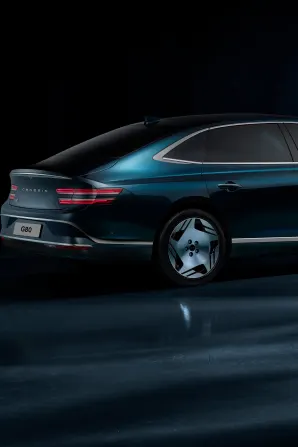
Most people assume any bright, sunny day is ideal for photographing a car. It seems logical: more light, better photos. But good car photography in Perth, WA lives or dies by when the shutter is pressed, and the harsh, high-UV sun this city gets for most of the year is often the enemy rather than the ally. The earlier overview of how local light and climate shape the result set the scene. This time we get practical and go hour by hour.
Timing is the cheapest lever you have. You don’t need extra gear or a better location to fix hard shadows and blown highlights. You just need to shoot at the right time.
Why Perth’s Midday Sun Is the Enemy of Clean Car Photos
Between roughly 10am and 3pm, especially in summer, the sun sits high and delivers hard, contrasty light straight down onto the car. That creates several problems that are difficult to fix later.
- Hard shadows: Sharp, dark shadows fall under mirrors, arches and body lines, breaking up the shape of the car.
- Hotspots on glass and paint: Direct overhead sun bounces off glossy panels and windscreens as bright, unflattering flares.
- Colour clipping: Highlights on brighter panels blow out to pure white, losing the true colour and metallic flake of the finish.
Paintwork is essentially a mirror. Whatever the sky is doing, the car reflects it. A raw midday sun turns clean panels into a mess of glare, which is why timing matters more for cars than for almost any other subject.
The Morning Golden Hour Window
The hour or so after sunrise is one of the two best windows of the day. The sun is low, so light rakes across the car rather than crashing down on it. That low angle wraps around the bodywork, reveals contours, and keeps reflections soft and directional.
In a Perth summer, sunrise can fall around 5am, so the flattering window opens very early and passes quickly. In winter, sunrise drifts closer to 7am, which makes early shoots far more comfortable to plan and reach. The warm colour temperature at this time flatters most finishes, adding a gentle glow to metallic and solid colours alike.
The Evening Golden Hour and Blue Hour
The hour before sunset mirrors the morning, with the same low, warm light and long soft shadows. Many people prefer it because the day has warmed up and the light often carries a richer, slightly redder tone.
As the sun dips below the horizon, blue hour begins. This short window delivers soft, even light with a cool blue cast in the sky. It’s ideal for:
- Warm rim light along the edges of the car as the last direct sun fades.
- Softer, more controlled reflections across large panels.
- Moody twilight images where headlights and interior lighting start to register.
The catch is time. Blue hour is genuinely brief, sometimes only 15 to 25 minutes, so you need to have the car positioned and settings dialled in before it starts.
Shooting Through Midday Anyway
Sometimes the shoot has to happen in the middle of the day. You can still get clean results by finding your own diffusion.
- Open shade: Park under a large tree, beside a tall building, or in the shadow of a structure so the car sits out of direct sun while still lit by open sky.
- Open sky: A patch of even, shaded ground with clear sky above acts as a huge soft light source, wrapping the panels gently.
- Cloud cover: On the rare overcast Perth day, the entire sky becomes a giant softbox. Contrast drops, hotspots vanish, and colour holds true across every panel.
Overcast conditions are underrated for cars. What feels like a dull day to most people is often the easiest light to work with, because the glare problem simply disappears.
Season-by-Season Timing Shifts in Perth
Perth’s daylight swings hard between seasons, and your schedule has to follow it. In summer, days are long and the harsh midday stretch is wide, so the usable golden windows sit right at the extremes of the day. Early starts and late finishes are unavoidable.
In winter, the whole day compresses. The sun never climbs as high, so even mid-morning and mid-afternoon light stays softer and more usable than it ever would in January. The golden windows are also easier to reach at civilised hours. The trade-off is a shorter overall day and a greater chance of the light changing quickly.
A Quick Planning Checklist
Match the car to the time of day and you stack the odds in your favour before you even arrive.
- Dark or black cars: Favour soft light, so golden hour or overcast keeps reflections manageable and detail visible.
- White and silver cars: Clip easily in direct sun, so avoid harsh midday and lean on shade or low-angle light.
- Bright colours and metallics: Come alive in warm golden light, which enhances the flake and saturation.
- Matte finishes: More forgiving of light direction, but still benefit from even, diffuse conditions.
- Check sunrise and sunset times for the exact date and build in setup time before the window opens.
Timing alone, though, isn’t the whole story. The same golden hour behaves differently depending on where in Perth you set up. Light that rolls in over the ocean carries a distinctly different quality to light on a shoot set well inland, and understanding how location shapes the light is the natural next step in getting the most from your timing. Where you point the car matters just as much as when.