A listing photo and a portfolio photo are not the same thing, even when they show the same car. One exists to reassure a buyer and answer their questions. The other exists to make someone feel something. Shoot the wrong style for your goal and you end up with images that look nice but do the wrong job entirely. Working with a professional car photography service from the outset means the shoot type, setting and image style get aligned to your purpose before anyone picks up a camera, so nothing is wasted.
The temptation is to jump straight to “where should we shoot” or “what time of day.” Those questions matter, but they come second. First, you decide what the photos are for.
Start With the Outcome, Not the Camera
Every worthwhile photography decision flows from one question: what do these images need to achieve? There are three common answers, and each one pulls the shoot in a different direction.
- Selling a vehicle — you need clear, honest, buyer-focused images that speed up enquiries.
- Showcasing a car you love — you want dramatic, detail-driven images that celebrate the vehicle as an object.
- Documenting an event or meet — you’re capturing atmosphere, variety and moments across many cars.
Nail down the outcome and every later choice becomes easier. Skip it, and you risk a beautiful set of photos that never quite fits how you plan to use them.
Sale and Dealership Listing Photography
Listing photography has one job: help a buyer make a confident decision. That means clean, consistent, standardised images that show the car as it truly is. Even, flattering light. Uncluttered backgrounds. A logical sequence covering the exterior angles, interior, engine bay, wheels and any features that matter to the sale.
The goal here is trust, not drama. A buyer scrolling listings wants to see condition, proportions and detail without distraction. Over-stylised images can actually work against a sale, because they hide the very information a buyer is hunting for. Well-shot listing photos reduce back-and-forth questions and help a genuine buyer commit faster.
Enthusiast and Private Owner Portfolio Shoots
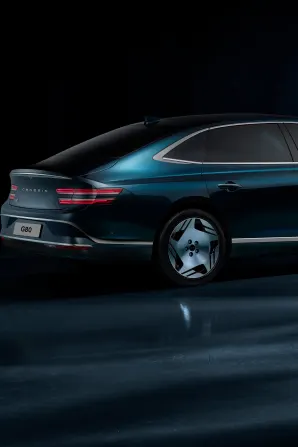
A portfolio shoot flips the priorities. Now the aim is to make the car look its absolute best and to capture the personality that makes it worth photographing in the first place. This is where creative choices earn their place: dramatic lighting, reflections, tight detail crops, low angles and considered backdrops.
Perth offers plenty of settings that suit this work, from open coastal roads to industrial textures and quiet urban corners at golden hour. The images aren’t trying to sell anything. They’re built to be framed, shared and kept. That freedom lets a photographer chase mood and impact rather than clinical accuracy, celebrating the car as something you’re proud of.
Car Meet and Motoring Event Coverage
Event coverage is a different discipline again. Instead of one car and total control, you’re working across dozens of vehicles in changing light and busy surroundings. The goal shifts from perfection to storytelling: the variety of the turnout, candid moments between owners, standout details and the overall atmosphere of the day.
Good event photography reads like a highlight reel. It mixes wide shots that set the scene with close, character-rich frames that capture the energy of a meet. Nobody expects studio-grade consistency from a car show gallery, and chasing it would mean missing the moments that actually matter.
Matching Location, Lighting and Framing to the Goal
Once the goal is set, the practical choices fall into place naturally.
- Location — a neutral, tidy setting suits a sale; an evocative backdrop suits a portfolio; the venue itself defines an event.
- Lighting — soft, even light shows condition honestly for listings, while directional light and reflections add drama to portfolio work.
- Framing — standardised angles serve buyers; bold, unconventional compositions serve enthusiasts; a mix of wide and candid serves events.
The same car can be photographed three completely different ways, and each version is correct for its purpose. There’s no single “best” approach, only the right approach for the outcome you chose at the start.
How to Brief a Photographer
The final images match your intention only if the photographer understands that intention. A clear brief bridges the gap. If you’ve read about what a professional car photography session involves, you’ll know the shoot runs far more smoothly when expectations are set early.
Tell your photographer where the images will end up: a classifieds listing, a personal print, social media or an event gallery. Mention any specific features or angles you care about, and share reference images if you have a particular look in mind. The more honestly you frame the outcome, the more accurately the final images will serve it.
Once you’ve settled on the right type of photography, the single biggest factor separating an average result from a striking one isn’t the camera or the location at all. It’s the condition of the paint, glass and trim under those lights. Swirl marks, dust and dull surfaces show up mercilessly on camera, which is why what happens to the car’s surface before the shoot can make or break the whole set.