
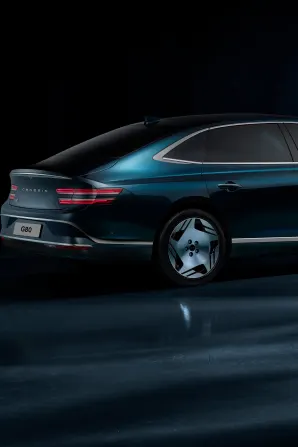
Stand next to your car in the driveway and it probably looks clean. Now put a high-resolution lens in front of it under strong light, and the same panel tells a completely different story. A camera is unforgiving in ways the human eye is not – it captures the faint swirl marks, the dried water spot near the mirror, the fingerprint on the chrome and the fine film of dust across the dash. That is exactly why car photography specialists treat detailing as a foundational step rather than an afterthought. The condition of the surface, not just the angle or the setting, decides how good the final image can be.
How a Lens Exaggerates What Your Eye Forgives
Your eye is a generous editor. It smooths over minor imperfections, ignores small marks and rarely lingers on a single square inch of paint. A camera does the opposite. It records everything within the frame at once and holds it still for you to study.
In a static photo, the viewer’s eye is free to wander across every surface. Flaws that would slip past you in motion suddenly become fixed, distracting details. The most common offenders are:
- Swirl marks and fine scratches that scatter light into a hazy web across the paint
- Dust and lint that show as bright specks against dark panels
- Fingerprints and smears on glass, chrome and gloss trim
- Water spots and mineral deposits left behind by an incomplete dry
None of these need to be dramatic to matter. Under the right light and at the right resolution, even faint marks pull attention away from the vehicle itself.
Paintwork: Why a Prepared Surface Reflects Light Evenly
Paint is the largest surface in almost any car photo, and it behaves like a lens in its own right. A properly washed, decontaminated and finished surface reflects light in a clean, even sheet. That even reflection is what produces deep, rich colour and the smooth gradients that make a panel look three-dimensional.
A contaminated or lightly marred surface does the opposite. Bonded contaminants and swirl marks break the reflection into thousands of tiny scattered points. The colour reads flatter, the highlights look muddy, and the paint loses that liquid depth that draws the eye. No amount of clever lighting fully recovers a surface that is scattering light in every direction.
This is why decontamination and correct finishing matter so much more for photography than for everyday driving. The camera rewards a surface that behaves predictably under light.
Glass, Chrome and Trim
Glass and bright trim are magnets for the lens. Smeared windscreens, hazy side glass and dull, spotted chrome all catch attention because they sit in high-contrast areas of the frame. A single streak across the windscreen can become the first thing a viewer notices.
Clean, clear glass lets the cabin and reflections read naturally, while polished chrome and trim produce crisp, defined highlights. Hazing and residue soften those highlights into grey smudges that make the whole car look tired, even when the paint is perfect. Detailing these smaller surfaces is often what separates a sharp, deliberate image from one that feels slightly off without the viewer knowing why.
Tyres, Wheels and the Details That Read as Neglect
Wheels and tyres sit at the bottom of the frame but carry a surprising amount of weight in the composition. Faded, brown-tinged tyres and brake dust across the wheel faces read instantly as neglect on camera, even if the rest of the car is spotless.
Cleaned wheels and correctly dressed tyres do more than look tidy – they anchor the car and add contrast at the base of the shot. A rich, dark tyre against clean bodywork gives the composition a grounded, finished feel. Small details like clean wheel wells and tidy arches remove distractions that would otherwise sit right in the viewer’s line of sight.
Interior Surfaces and Cabin Shots
Interiors are their own challenge because the surfaces are close, varied and often reflective. Dust on the dashboard shows clearly under directional light. Marks on seats and door cards, lint on carpets and streaks on the infotainment screen all become obvious once the camera moves inside.
Screens deserve particular attention. A glossy display reflects the environment and the light source, so any dust or fingerprint sits directly on top of that reflection. A clean, wiped-down cabin lets the design and materials speak for themselves rather than forcing the viewer to look past the mess.
A Vehicle Is Essentially a Mirror
The single most useful way to think about a car in front of a camera is as a large, curved mirror. Every polished surface reflects whatever surrounds it – the sky, nearby buildings, the ground and the light itself. This is where all the detailing work pays off, or falls apart.
A poorly prepared surface scatters those reflections into noise. A flawless surface holds them cleanly, so reflections become a tool rather than a liability. This mirror-like quality is closely tied to the type of car you are working with, and if you are still weighing that up, our guide on deciding which vehicle to photograph is a useful starting point.
Here is the crucial catch. Once a car’s surfaces are truly flawless, they become highly reflective mirrors that respond dramatically to their surroundings. A prepared finish that looks stunning under soft, controlled light can look harsh and messy under the wrong conditions. That means the real question becomes where the shoot happens and what light falls on those mirror-like surfaces – the setting and lighting conditions that decide whether all this preparation is enhanced or wasted.