
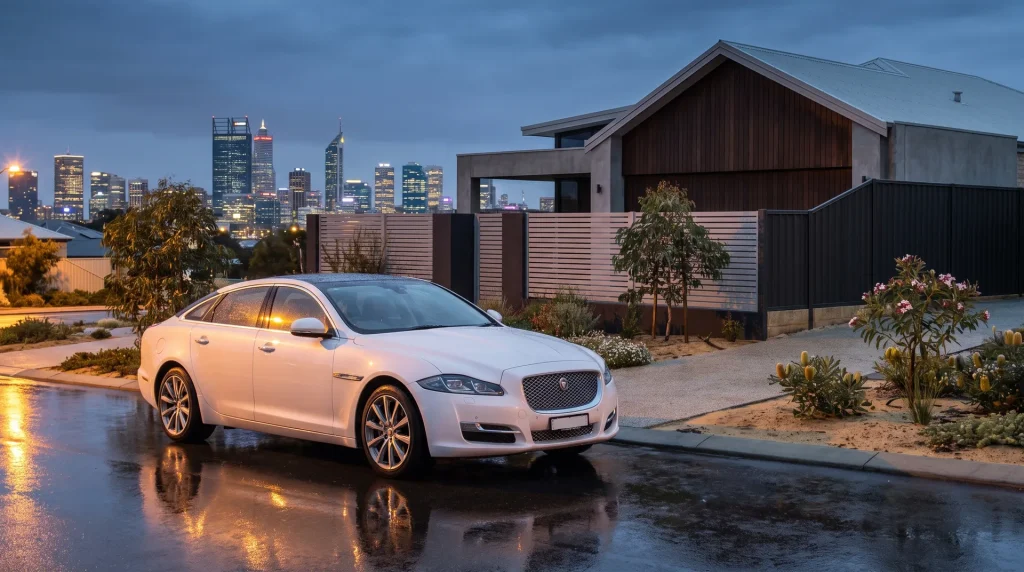
Picture a buyer thumbing through a marketplace results page late on a Sunday night. Dozens of cars scroll past in seconds. What makes their thumb stop? Before they read a single word of your description, the lead image is already doing the heavy lifting. Good vehicle photography is often what separates a listing that gets buried from one that gets clicked.
This article steps back from what makes an individual photo look good and instead examines the downstream data: how imagery moves the metrics that decide whether a car sells quickly or sits online for weeks.
The Lead Thumbnail and Click-Through Rate
On a marketplace search page, your lead image competes against a wall of other cars for attention. It is the single biggest factor in whether a buyer taps through to your full listing or keeps scrolling.
Click-through rate is the percentage of people who see your listing and choose to open it. A sharp, well-composed lead image lifts that number. A dark, cluttered or awkwardly cropped one drags it down, no matter how good the car underneath actually is.
Because most buyers make the click decision in a fraction of a second, the lead thumbnail effectively acts as a filter. If it does not earn the click, none of the other work on your listing gets a chance to matter.
Image Count, Coverage and Time on Listing
Once a buyer opens your listing, the depth of your photo set shapes how long they stay. A complete gallery invites people to keep swiping, and time spent on a listing is a strong signal of genuine interest.
A thorough set typically covers:
- Front three-quarter and rear three-quarter exterior angles
- Both side profiles
- Front and rear straight-on shots
- Interior seats, dashboard and boot
- Wheels, tyres and any features worth highlighting
- Honest images of wear, marks or damage
Listings with sparse coverage often see buyers bounce quickly. When people cannot see what they want, they assume the seller is hiding something and move on. Complete coverage keeps buyers engaged for longer and tends to lift enquiry volume, because fewer questions are left unanswered.
How Platforms and Buyers Reward Quality
Marketplaces are built to keep people browsing. Listings that hold attention and generate engagement often earn more visibility over time, because platform ranking tends to favour content that performs well with real users.
That creates a compounding effect. Strong images earn more clicks and longer sessions, which can improve how often a listing surfaces in search results, which in turn brings more clicks. Weak imagery does the opposite, quietly pushing a listing further down where fewer buyers ever see it.
Buyer behaviour reinforces this. People share, save and return to listings that look considered. Every one of those actions is a small vote of confidence that platforms notice.
Photo Quality and Time to Sell
The practical payoff of all this is speed. A listing that earns more clicks, holds attention and generates more enquiries generally moves from listed to sold faster than one that struggles at each of those stages.
Every extra day a car sits online costs something, whether that is holding a vehicle you no longer want or watching newer listings push yours down the results. Quality imagery shortens that window by feeding the top of the funnel with more of the right buyers, sooner.
In a competitive market like Perth, where buyers often compare several similar vehicles at once, faster engagement can be the difference between selling this week and relisting next month.
Mistakes That Quietly Suppress Performance
Some imagery problems do not look dramatic, yet they steadily erode the numbers behind a listing. The most common offenders include:
- Poor lighting. Harsh midday glare or dim indoor shots hide the car’s real condition and lower perceived value.
- Cluttered backgrounds. Bins, other cars and busy driveways pull attention away from the vehicle.
- Missing angles. Gaps in coverage force buyers to imagine the worst.
- Inconsistent shots. A mix of orientations, distances and quality levels makes a listing feel thrown together.
None of these will flag an obvious error to the seller. They simply mean fewer clicks, shorter sessions and fewer enquiries, without any single moment that explains why. If you have already weighed up the difference that phone snaps versus professional images make, this is where those choices show up in the actual data.
How Consistent Images Build Seller Credibility
Beyond individual metrics, a consistent set of well-shot images signals something buyers care about deeply: trust. When every photo shares the same clean framing, lighting and quality, the listing reads as the work of a careful owner.
That credibility carries through the whole transaction. Buyers who trust what they see are more likely to enquire, more likely to turn up, and less likely to haggle hard on the assumption that something is being hidden.
Consistency does not mean identical shots. It means a coherent visual standard across the full gallery, so nothing feels rushed or evasive. That impression starts working the instant the listing loads and keeps paying off through every enquiry that follows.
Metrics explain what buyers do, but not always why they feel drawn to one listing over another. That takes us into our next topic: The Psychology of Car Photography: How Buyers Read a Vehicle Image.