
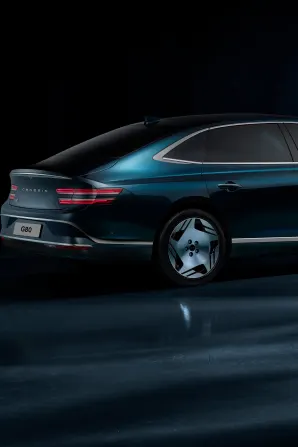
Take two identical cars, photograph them at the same hour on the same day, and you can end up with two very different images – simply because one sat by the coast and the other sat inland. Light in Perth doesn’t behave uniformly across the metro area, and knowing how each zone treats paint is part of booking car photography in Perth so the finished shots look the way you pictured them. This is a geographic difference, not a timing one – it comes down to where you point the lens, not just the clock.
Why Coastal Light Runs Softer and Cooler
Near Cottesloe, Fremantle and Scarborough, the ocean acts like a giant reflector. Light bounces off the water surface and fills in from the side, lifting shadows that would otherwise fall hard on the ground and the car’s underside.
Salt haze and higher humidity sit in the coastal air too. That fine moisture scatters sunlight, diffusing it before it reaches the paint. The result is a gentler, more even wash of light with a cooler, slightly blue cast – the horizon opens wide and the sky dominates the frame.
For a car, this means smoother gradients across curved panels and fewer harsh hotspots. The overall feel leans calm and clean.
How Inland Light Behaves in the Swan Valley and Perth Hills
Move east into the Swan Valley, the Perth Hills or the eastern suburbs and the character shifts. The air is drier and clearer, with less moisture to soften the sun. Light arrives more directly, so shadows land harder and edges sharpen.
Inland tones also run warmer. Reflected light off dry earth, gum trees, vineyards and paddocks carries a golden or amber bias that the paint picks up. Dust in the air during warmer months can add its own subtle warmth and depth.
The trade-off is contrast. Inland light gives punch and definition, but it can be less forgiving on a bright day – which is why the time you shoot matters just as much here, something we cover in detail on choosing the right hour for Perth’s strong sun.
How Each Light Type Interacts with Car Paint
Paint reacts to these zones differently, and the effect depends heavily on colour and finish:
- Metallics: Coastal diffusion tends to spread the sparkle evenly for a subtle shimmer, while inland’s harder light makes the metal flake pop with sharper, brighter glints.
- Dark colours: Black and deep blues gain smooth, controlled reflections under soft coastal light. Inland, the same paint shows stronger highlights and deeper shadow contrast, which can look dramatic or blown-out depending on control.
- Chrome and polished trim: These surfaces mirror their surroundings. By the ocean they catch open sky and horizon; inland they pick up warmer, busier reflections from trees and terrain.
Reading Reflections and Backgrounds in Each Zone
A car’s glossy panels act like mirrors, so the setting behind the camera matters as much as the setting in front of it. Coastal locations offer wide, uncluttered ocean horizons. That openness reflects across the paint as clean bands of sky and water, giving minimalist, spacious frames.
Inland scenery is more enclosed – vineyard rows, hillsides, bushland and buildings sit closer and add texture. Those reflections bring warmth and story to the frame, but they also demand more attention to keep the background from competing with the car.
Colour Temperature and the Mood It Creates
The colour temperature gap between the two zones directly shapes mood. Coastal light skews cool and neutral, which suits crisp, modern, understated looks. Inland light skews warm, lending itself to rich, nostalgic or rugged results.
White balance choices amplify this. You can lean into the coastal cool for a fresh feel, or embrace inland warmth for something golden and grounded. Either way, the base light is doing half the work before any adjustment.
Matching Your Car to the Right Perth Light Zone
There’s no single “better” zone – only the one that suits your car and the result you want. A few pointers to help you decide:
- Choose coastal light for soft, even reflections on dark or high-gloss paint and a clean, airy mood.
- Choose inland light for bold contrast, warm tones and metallic flake that sparkles with definition.
- Think about the story – ocean horizons feel open and contemporary, while vineyards and hills feel earthy and characterful.
- Consider how much the reflected background will show in your paint, since glossy cars mirror everything around them.
Choosing the right light zone, though, is only half the equation. Both the coast and the inland areas bring their own practical hurdles – shifting heat, gusty conditions and stubborn glare that can quietly undo an otherwise perfect location. Getting the best from either zone means thinking carefully about scheduling a shoot around Perth’s weather, so the conditions on the day work with you rather than against you.